Before the Operating Room, Consider a Confident Second Look

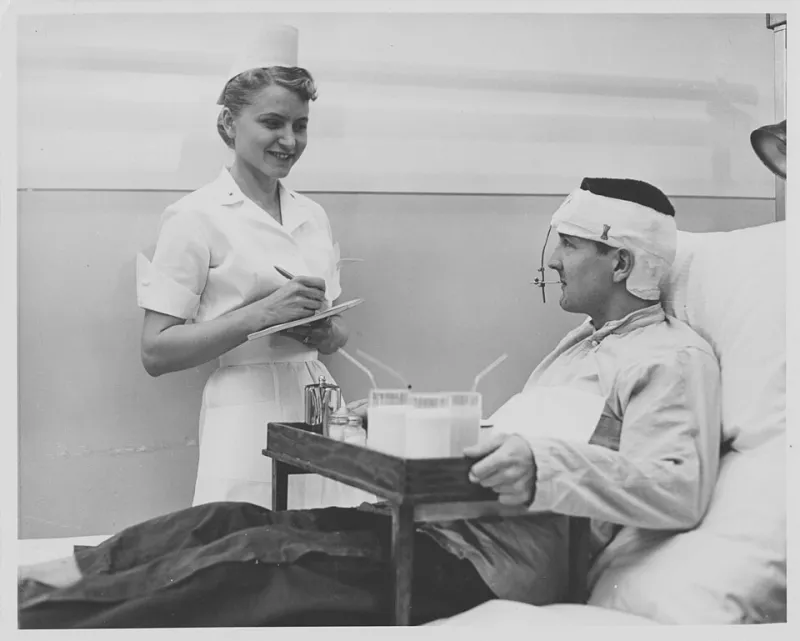
Photo: Matthijs Naiveu, CC BY 4.0, via Wikimedia Commons
Choosing surgery is rarely a small decision. It involves symptoms, risks, recovery time, and often a measure of fear. In that moment, asking another surgeon to review the recommendation can feel awkward, as though you are doubting the physician who is caring for you. It is not. A second opinion is a routine safeguard in medicine, and good surgeons expect patients to seek one when time allows.
At Tirpude Hospital, we view second opinions as part of careful decision-making, not a challenge to a physician's authority.
Why a second opinion is a safeguard
A second opinion can confirm that the diagnosis is complete, that the proposed operation is appropriate, and that reasonable alternatives have been considered. It can also introduce details about surgical technique, recovery, or long-term outcomes that help you weigh your options. Sometimes the second reviewer agrees entirely, which can bring confidence. Sometimes they suggest a different approach, which is valuable information before an irreversible step.
Start with the recommendation in writing
Ask your surgeon for the diagnosis, the exact name of the proposed procedure, and the reason it is recommended. Ask about alternatives, including non-surgical options, and about the risks of waiting. Ask whether the surgery is elective, urgent, or an emergency. If it is an emergency, a second opinion may not be appropriate; immediate care takes priority.
Gather your records
A reviewing specialist needs information, not just a description. Request copies of imaging reports and the images themselves, pathology reports, laboratory results, office notes, and a current medication list. Hospitals and clinics generally have a process for releasing records to the patient or another provider. Ask how long it will take and whether there is a fee.
Find the right reviewer
Look for a physician who is board certified in the relevant specialty and who regularly performs or evaluates the procedure in question. Your insurer's provider directory, a primary care physician, or a local medical society can help. Some patients seek a reviewer at a different institution to avoid any appearance of conflict, but that is a personal choice rather than a requirement.
Check coverage before you schedule
Call your insurer before the appointment. Ask whether second opinions are covered, whether a referral is required, and whether the reviewer is in network. Keep notes of the date, the representative's name, and any reference number. If the visit is not covered, ask about the expected cost before you proceed.
Prepare focused questions
Bring a short list: What is the goal of this operation? What happens if I wait? What are the alternatives? What are the most common complications? How many of these procedures does the reviewer perform? What does recovery look like? What would make you recommend a different approach?
Talk with your current surgeon
You can keep the relationship intact by being direct. A simple statement works: 'I value your recommendation. Before I schedule, I would like to get a second opinion to make sure I understand all my options.' Most surgeons will respect that. You do not need to apologize or justify your decision.
Keep timing in mind
For elective surgery, a short delay to obtain a second opinion is usually reasonable. For urgent or emergency conditions, ask your care team whether a delay poses a risk. Do not postpone care that is needed immediately.
After the second opinion
Compare the recommendations, ask questions, and make a decision that reflects your values and circumstances. Tell your original surgeon what you learned. If both opinions align, you can proceed with greater confidence. If they differ, discuss the reasons with both physicians before deciding.
A second opinion is not a sign of distrust. It is a sign that you are taking surgery seriously — and that is exactly what careful care requires.