Nourishment as Treatment: Building a Hospital Food Plan That Supports Healing
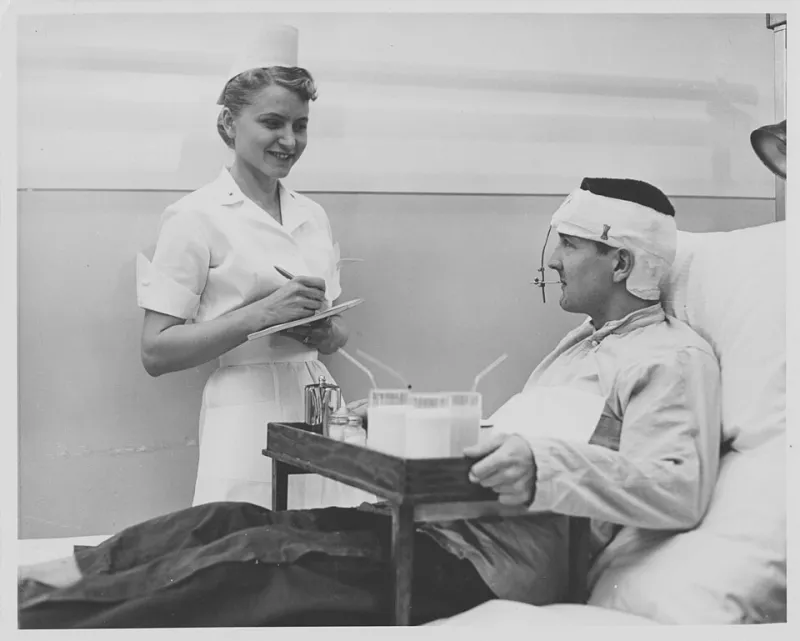
Photo: National Museum of Health and Medicine, CC BY 2.0, via Wikimedia Commons
Few hospital topics attract more jokes than the food tray. Yet for a patient recovering from surgery, fighting an infection, or managing a chronic illness, meals are not a punchline. They are part of treatment. Illness increases the body's need for energy and protein, while symptoms and treatments often reduce appetite. When those forces collide, malnutrition can develop quietly and slow recovery.
At Tirpude Hospital, nutrition is treated as a clinical service, not a courtesy. Patients and families can play an active role by asking the right questions and making their needs known.
Why illness raises the stakes
The body repairs tissue, fights infection, and maintains muscle with the help of calories, protein, vitamins, and minerals. Surgery, fever, wounds, and prolonged bed rest increase those demands. At the same time, pain, nausea, anesthesia, difficulty swallowing, and restricted diets can make eating difficult. Older adults and people who were already undernourished before admission are especially vulnerable.
Malnutrition is not simply a matter of looking thin. It can contribute to muscle loss, delayed wound healing, weakness, and a longer hospital stay. It can also make it harder to return to normal activity after discharge.
Ask for a dietitian — early
A registered dietitian is the member of the care team who assesses nutritional needs and translates them into a practical plan. You do not need a physician's permission to ask whether a consult is appropriate; you can raise the question with your nurse, hospitalist, or surgeon. Useful phrases include: 'Could we request a nutrition screening?' or 'I would like a dietitian to review my intake and restrictions.'
A dietitian can review your weight history, lab results, medications, chewing and swallowing ability, and food preferences. They can recommend oral nutrition supplements, texture modifications, or a different diet order when appropriate.
Navigating restrictions without guessing
Hospital diets are prescribed for reasons: low sodium for heart failure, carbohydrate control for diabetes, thickened liquids for swallowing safety, or a clear-liquid diet before a procedure. Ask what is restricted, why, and how long the restriction is expected to last. Do not bring in outside food without checking with the care team, especially if you have allergies, a weakened immune system, or a swallowing disorder.
If a restriction makes meals unappealing, say so. There may be room to adjust seasoning, portion size, or timing. A dietitian can often find a safer alternative that you are more willing to eat.
Cultural and religious preferences
Food is personal. Religious observances, cultural traditions, and lifelong preferences do not disappear during a hospital stay. Ask whether the food service can accommodate kosher, halal, vegetarian, vegan, or other culturally specific needs. If the hospital cannot provide a suitable option, ask whether family members may bring approved foods from home and how those items should be stored and labeled.
You are not being difficult by making these requests. A patient who eats is a patient who heals.
Practical requests families can make
Families can help by asking whether a dietitian has seen the patient, keeping a simple record of what was eaten, and reporting poor intake or unintended weight loss. Ask about assistance with opening packages, cutting food, or positioning during meals. If the patient tires easily, ask whether smaller, more frequent meals are possible. Ask whether oral nutrition supplements are appropriate and whether they are covered by insurance.
Plan for discharge, too
Before leaving the hospital, ask whether any dietary restrictions should continue at home and whether a follow-up dietitian appointment is needed. If the patient lives alone or has limited access to groceries, tell the discharge planner. Recovery does not end at the hospital door, and neither does the need for adequate nutrition.
When to speak up
Raise concerns if a patient eats very little for more than a day or two, has trouble swallowing, experiences new nausea or vomiting, or seems increasingly weak. These are clinical observations, not complaints.
Nutrition is one of the few parts of hospital care that patients can influence directly. Ask for the dietitian, understand the restrictions, and make your preferences known. Recovery depends on more than medicine — it also depends on what is on the tray.