The Smart Packer's Guide to a Hospital Stay: What Comes With You — and What Stays Behind
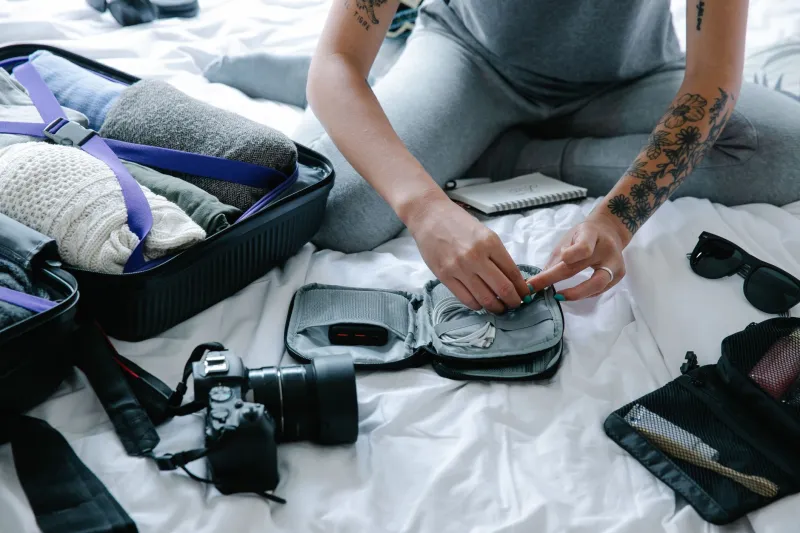
Ask anyone who has spent a few nights in a hospital bed what they wish they had packed, and you will rarely hear about clothing. More often it is the phone charger left in the car, the glasses forgotten at home, or the list of medications that existed only in memory. Preparing for a scheduled admission is a small logistical project, and like any project, it rewards a checklist.
The Ten Items Worth Their Weight
1. Your identification and insurance documents. A driver's license or state ID plus your current insurance card prevent registration delays. If your plan requires referrals or prior authorization, bring that paperwork too.
2. A written medication list. Include drug names, doses, and schedules — including supplements and over-the-counter products. A photograph of every prescription label works well. This single item does more for your safety than anything else on this list.
3. Copies of your advance directive and healthcare power of attorney. Even young, healthy patients benefit from naming a decision-maker in case of the unexpected. Hospitals are required to ask, and having copies on hand saves your family a scramble.
4. A long phone charging cable. Wall outlets are never where you want them. A ten-foot cable is the most recommended item on virtually every patient packing list.
5. Eyeglasses, hearing aids, and dentures — with cases. Bring what you need to function, plus labeled storage. Keep a spare pair of glasses at home if you have one.
6. Comfortable, loose-fitting clothing. A robe or button-front shirt for walking the halls, plus non-slip socks or slip-on shoes. Gowns are provided, but many patients find their own layers restorative.
7. Toiletries in travel size. Toothbrush, toothpaste, lip balm, deodorant, and a hairbrush. Skip glass containers entirely.
8. A small notebook and pen. Doctors make rounds early and briefly. Writing down your questions and their answers keeps you oriented across a multi-day stay.
9. Entertainment that doesn't need Wi-Fi to matter. A book, downloaded podcasts, or a tablet loaded in advance. Hospital networks can be slow, and recovery involves a lot of quiet hours.
10. A short list of key contacts. Phone numbers for your primary care physician, your pharmacy, and the family member coordinating your ride home. Paper beats a dead battery.
Five Things to Leave at Home
Jewelry and valuables. Rings can become a genuine clinical problem — swelling after surgery or an IV can turn a wedding band into an emergency, and some procedures require them removed. Items brought into a hospital room can also be lost during transfers between units. Leave anything you would be upset to misplace.
Large amounts of cash and credit cards. You need almost no money during an admission. A small amount for a newspaper or vending machine is plenty; the rest stays in a drawer at home.
Medications from your own cabinet. This one surprises people. Your hospital pharmacy verifies, doses, and documents every drug you receive. Home medications brought from outside create duplication risk, dosing confusion, and storage issues — and some pills degrade without proper conditions. Bring the list, not the pills, unless your care team has specifically instructed otherwise.
Alcohol-based products and outside food or drink. Many units restrict these for clinical and safety reasons; check your pre-admission instructions rather than guessing.
Anything irreplaceable. Family heirlooms, laptops, important legal documents. Hospital rooms are shared spaces with constant traffic. If you would grieve its loss, it does not belong in a bedside drawer.
A Final Note on Preparation
The best packing strategy is really a communication strategy: know what your care team needs from you, make it available on paper, and strip away everything that could distract from your recovery. If you are unsure about any item — particularly medications or medical devices like CPAP machines — call the admissions office or your surgeon's office before your date. A five-minute phone call beats a forgotten item on the morning of a procedure.
Pack light, pack deliberately, and let the hospital handle the rest. That is what it is there for.