You Just Received a Serious Diagnosis. The Next 72 Hours Matter More Than You Know.
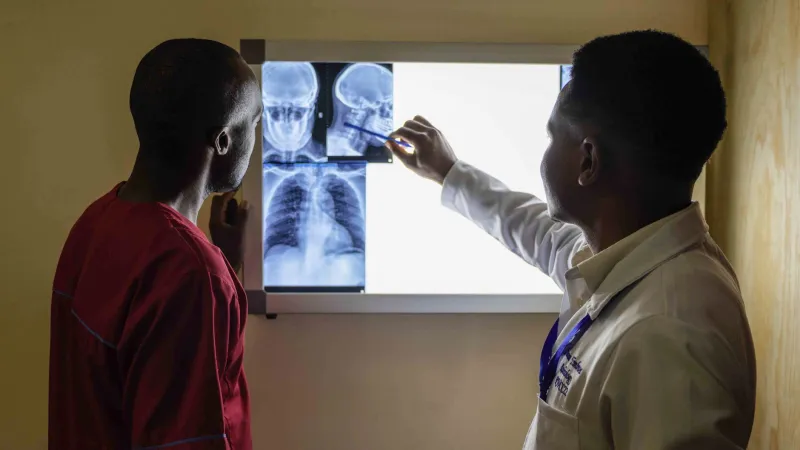
A serious diagnosis changes everything in an instant. One moment life is routine; the next, a physician is explaining a condition you may have never expected to hear about yourself. In the blur of that initial conversation — and the hours that follow — it is easy to feel paralyzed, overwhelmed, or uncertain about where to begin.
What most patients do not realize is that the 72 hours following a diagnosis represent a pivotal window. The questions you ask, the records you gather, the specialists you contact, and the support systems you activate in those first few days can meaningfully influence the trajectory of your treatment. At Tirpude Hospital, we want every patient who receives difficult news to feel equipped — not abandoned — in that critical early period.
Why the First 72 Hours Carry So Much Weight
The period immediately after a diagnosis is significant for several interconnected reasons. Clinically, treatment plans are often most flexible in the early stages of a condition. Before a course of action is locked in, patients have the most leverage to ask questions, request second opinions, and explore options. Once a treatment protocol is underway — particularly for conditions like cancer, autoimmune disorders, or cardiac disease — changing direction becomes more complicated, both medically and logistically.
There is also a psychological dimension. Research on patient decision-making consistently shows that individuals who take active, structured steps immediately after a diagnosis report higher satisfaction with their care and lower levels of anxiety over time. Action, even small and deliberate action, counters the helplessness that serious illness can provoke.
Finally, the administrative reality of American healthcare means that referrals, authorizations, and specialist appointments take time to arrange. Starting those processes within 72 hours rather than 72 days can compress timelines meaningfully — and in some conditions, time is a direct clinical variable.
Step One: Process Before You Plan
Before anything else, give yourself permission to absorb what you have just heard. This is not wasted time — it is necessary time. Attempting to make complex medical decisions while in acute emotional shock is rarely productive and sometimes counterproductive.
If possible, bring a trusted person with you to any appointment where a significant diagnosis is likely. A second set of ears is invaluable when information is dense and emotionally charged. If you received the news alone, consider calling someone before you leave the parking lot, not to make decisions, but simply to process the information aloud.
Allow yourself a few hours. Then begin.
Step Two: Return to Your Diagnosing Provider With a List
Your first substantive action should be to schedule a follow-up conversation with the physician who delivered the diagnosis — ideally within 24 to 48 hours. Come prepared with written questions. The clarity you bring to that conversation will directly shape the quality of information you receive.
Essential questions to ask at this stage include:
- What is the confirmed diagnosis, and how certain is it? Some diagnoses require confirmatory testing before they are definitive.
- What are my treatment options? Ask for a range, not just the recommended path.
- What happens if I delay treatment? Understanding the clinical urgency helps you prioritize.
- Who else should be involved in my care? Ask for specific specialist referrals, not general suggestions.
- What records will I need to share with other providers? Request copies immediately.
- Are there clinical trials relevant to my condition? This question is often overlooked and occasionally highly relevant.
Write the answers down or ask permission to record the conversation. Memory under stress is unreliable.
Step Three: Seek a Second Opinion — Without Guilt
A second opinion is not a sign of distrust. It is standard medical practice, particularly for serious, complex, or rare conditions. Reputable physicians expect it and support it. If your provider discourages a second opinion, that itself is information worth noting.
For conditions such as cancer, neurological disorders, or diagnoses requiring major surgery, a second opinion from a specialist at an academic medical center or a dedicated disease-specific clinic can confirm, refine, or occasionally overturn the initial assessment. The stakes justify the effort.
When seeking a second opinion:
- Do not start over — bring all existing test results, imaging, and records. A good second-opinion consultation builds on what is already known.
- Be transparent with both providers about the process. Coordinated care is better than parallel care operating in isolation.
- Set a time boundary. A second opinion should take days, not weeks, unless your condition is truly non-urgent.
Step Four: Understand Your Insurance Before Your Treatment Begins
One of the most consequential — and most commonly neglected — actions in the first 72 hours is a direct conversation with your insurance carrier. Before any treatment begins, you need to understand:
- Whether the recommended specialists and facilities are in-network
- What prior authorizations are required for the proposed treatment
- What your out-of-pocket maximum is for the plan year
- Whether a case manager is available through your insurer for complex conditions
Insurance decisions made after treatment begins are far harder to appeal than those addressed proactively. Many patients have faced significant financial hardship from procedures performed out-of-network simply because no one verified coverage in advance. That verification takes one phone call.
Step Five: Build Your Support Infrastructure
Serious illness is not navigated alone — not effectively, anyway. In the first 72 hours, begin identifying the people and systems that will support you through treatment:
- A primary care coordinator within your provider network who can help manage referrals and communication between specialists
- A trusted personal advocate — a family member or close friend — who can attend appointments, take notes, and help track information
- Mental health support, which Tirpude Hospital offers to patients managing new diagnoses — the emotional weight of serious illness is real and deserves direct attention
- Patient advocacy organizations specific to your condition, many of which offer free resources, helplines, and peer support networks
Step Six: Document Everything From Day One
Start a dedicated health journal or digital folder immediately. Include every test result, every provider conversation, every insurance communication, and every prescription. This record will serve you in ways you cannot fully anticipate — from resolving billing disputes to informing future specialists to tracking your own progress over time.
Patients who maintain organized records consistently report feeling more in control of their care. In a healthcare system as complex as the one in the United States, that sense of agency is not a luxury — it is a clinical advantage.
The Tirpude Hospital Commitment to Newly Diagnosed Patients
Receiving a serious diagnosis is one of the most difficult experiences a person can face. The team at Tirpude Hospital is committed to ensuring that no patient walks through those first 72 hours without support, information, and access to the resources they need.
Our care coordinators are available to help newly diagnosed patients understand their options, navigate specialist referrals, and connect with appropriate services — because compassionate care is not just a phrase. It is a standard we hold ourselves to, every step of the way.