5 Preventive Screenings Most Americans Are Skipping — and Why That Decision Could Cost Them
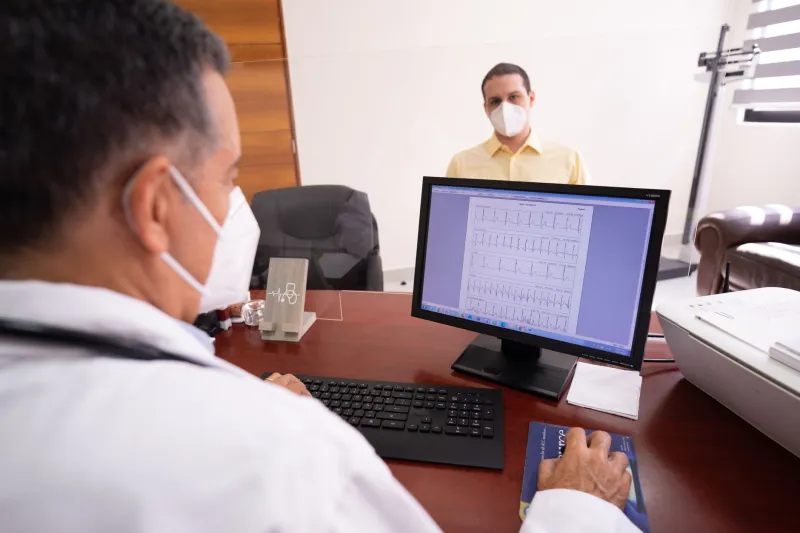
The annual checkup has long served as the cornerstone of preventive medicine in the United States. Yet for a growing number of Americans, that yearly visit represents the full extent of their proactive health engagement. What many people do not realize is that some of the most consequential health screenings — those capable of detecting cancer, metabolic disease, and cardiovascular risk years before a single symptom surfaces — are being systematically overlooked.
According to data from the Centers for Disease Control and Prevention, utilization rates for several recommended preventive screenings remain strikingly low across multiple demographic groups. The reasons vary: cost concerns, lack of awareness, cultural barriers, and the persistent belief that feeling healthy means being healthy. That last assumption is, medically speaking, one of the most dangerous.
At Tirpude Hospital, our approach to preventive care is grounded in a simple conviction — catching a condition early is almost always better than treating it late. The following five screenings represent areas where the gap between recommendation and action is widest, and where the potential benefit of closing that gap is most profound.
1. Lung Cancer Screening: The Test Most At-Risk Adults Have Never Heard Of
Lung cancer remains the leading cause of cancer death in the United States, claiming more lives annually than breast, colon, and prostate cancers combined. Yet the low-dose CT (LDCT) scan — a non-invasive imaging test capable of detecting lung tumors at their earliest, most treatable stages — is received by fewer than 6% of eligible Americans each year, according to research published in the journal JAMA Oncology.
The U.S. Preventive Services Task Force (USPSTF) recommends annual LDCT screening for adults between the ages of 50 and 80 who have a 20 pack-year smoking history and currently smoke or have quit within the past 15 years. For those who meet these criteria, the screening has been shown to reduce lung cancer mortality by up to 20%.
Barriers to uptake include a lack of physician referral, patient unawareness, and lingering stigma around smoking history. If you or a loved one falls within the eligible range, speaking with a provider at Tirpude Hospital about LDCT screening is a straightforward and potentially life-saving conversation.
2. Prediabetes Screening: 96 Million Americans Don't Know They Have It
The CDC estimates that approximately 96 million American adults — roughly one in three — have prediabetes. Of that staggering number, more than 80% are unaware of their condition. Prediabetes, characterized by blood glucose levels that are elevated but not yet in the diabetic range, is largely asymptomatic. It is also, critically, reversible.
The USPSTF recommends blood glucose screening for adults aged 35 to 70 who are overweight or obese. However, risk factors including family history, physical inactivity, gestational diabetes history, and certain ethnic backgrounds may warrant earlier or more frequent testing.
Left unaddressed, prediabetes progresses to type 2 diabetes in a significant proportion of individuals — bringing with it elevated risks for cardiovascular disease, kidney damage, neuropathy, and vision loss. The fasting plasma glucose test and the HbA1c blood test are both simple, widely available tools that can identify this condition long before it escalates. If it has been more than three years since your last glucose screen, now is the time to revisit that conversation with your care team.
3. Colorectal Cancer Screening: Rates Have Improved, But Gaps Remain
Colorectal cancer is the second leading cause of cancer-related death in the United States when men and women are considered together, and yet it is one of the most preventable cancers through regular screening. The American Cancer Society updated its guidelines in 2018 to recommend that average-risk adults begin colorectal cancer screening at age 45 — five years earlier than the previous threshold.
Despite this, data from the American Cancer Society indicates that approximately one in three adults between the ages of 45 and 75 are not current on colorectal cancer screening. Disparities are particularly pronounced among Hispanic and Black Americans, as well as individuals without health insurance.
Screening options have expanded considerably in recent years. While colonoscopy remains the gold standard — offering both detection and removal of precancerous polyps in a single procedure — stool-based tests such as the fecal immunochemical test (FIT) and the multi-target stool DNA test provide less invasive alternatives for those who qualify. Tirpude Hospital offers multiple colorectal screening pathways, and our care coordinators can help determine which approach is most appropriate for your individual risk profile.
4. Abdominal Aortic Aneurysm Screening: A One-Time Ultrasound That Could Prevent a Fatal Rupture
An abdominal aortic aneurysm (AAA) — a dangerous bulging in the body's main artery — typically develops without any noticeable symptoms. When it ruptures, the mortality rate is extraordinarily high, with many patients dying before reaching a hospital. The USPSTF recommends a one-time screening ultrasound for men between the ages of 65 and 75 who have ever smoked.
This is a single, painless imaging test. It takes approximately 30 minutes. And yet, utilization remains low, partly because the recommendation applies to a specific demographic that may not associate themselves with routine preventive care, and partly because primary care physicians do not always initiate the referral.
If you are a male patient aged 65 to 75 with any history of tobacco use, this screening warrants a direct conversation with your provider. Detection of an aneurysm before rupture allows for monitoring and, when necessary, surgical intervention — outcomes that are dramatically more favorable than emergency response to a rupture.
5. Hepatitis C Screening: A Silent Epidemic Among Baby Boomers and Beyond
Hepatitis C is a viral infection that can quietly damage the liver over decades before producing any identifiable symptoms. The CDC estimates that approximately 2.4 million Americans are currently living with chronic hepatitis C infection, and a significant proportion remain undiagnosed.
The USPSTF recommends hepatitis C screening for all adults aged 18 to 79 at least once in their lifetime. Adults born between 1945 and 1965 — commonly referred to as Baby Boomers — carry a disproportionately high burden of infection, largely attributed to blood transfusions received before widespread blood supply screening was implemented in 1992.
What makes this screening particularly compelling today is the treatment landscape. Modern direct-acting antiviral medications can cure hepatitis C in more than 95% of cases, typically within eight to twelve weeks. Early detection and treatment can prevent cirrhosis, liver failure, and hepatocellular carcinoma — outcomes that are far more difficult to manage once advanced liver disease has set in.
Taking the First Step
Preventive medicine is not a passive endeavor. It requires intentional engagement — a willingness to ask questions, pursue screenings, and act on information before a health crisis demands it. The screenings outlined above are not fringe recommendations; they are evidence-based interventions endorsed by leading national health authorities and designed to protect you and the people you care about.
At Tirpude Hospital, we are committed to being more than a destination for illness — we are a partner in sustained wellness. Our preventive care services are designed to meet patients where they are, offering accessible, compassionate, and thorough screening options tailored to individual risk profiles and life circumstances.
If you are uncertain which screenings apply to you, the most meaningful step you can take today is scheduling a conversation with one of our providers. Together, we can build a preventive care plan that reflects not just your current health status, but your long-term goals for living well.